

Veteran Restaurateur Revives Community-First Model to Reframe Washington Nightlife
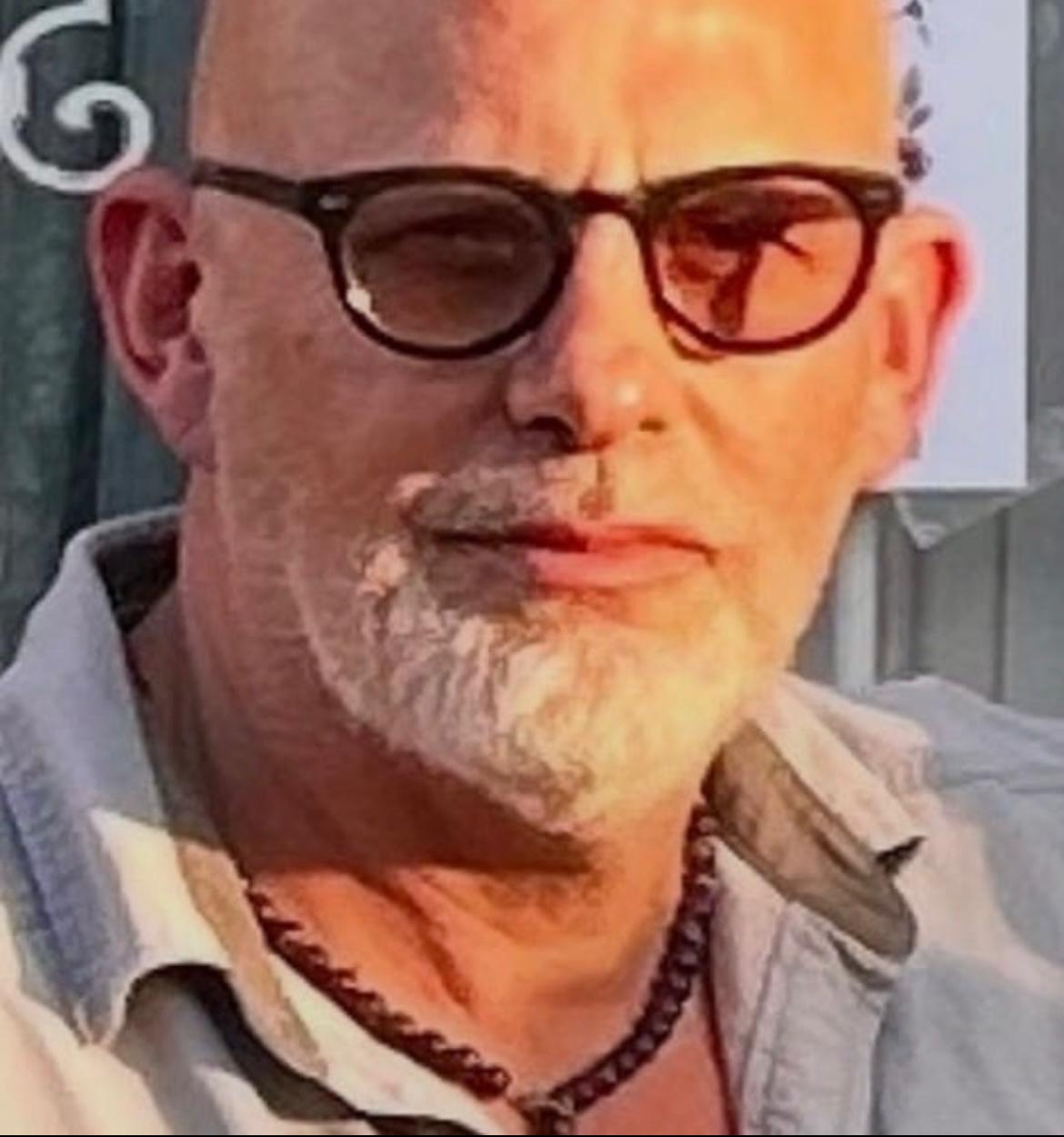
Mauricio “Mauchy” Fraga-Rosenfeld

Mauchy with his wife, and business partner, Nesrin
Nearly four decades after launching his career, Mauricio Fraga-Rosenfeld returns to his roots to test nightlife’s next survival strategy in Washington.
WASHINGTON, DC, UNITED STATES, February 17, 2026 /EINPresswire.com/ -- Veteran Washington restaurateur Mauricio “Mauchy” Fraga-Rosenfeld is reviving the community-first nightlife strategy that defined his early career, positioning his newest venue (El Secreto de Rosita) as an experience-driven gathering space amid rising costs and shifting customer behavior in the nation’s capital.
The shift marks a full-circle moment for Fraga-Rosenfeld, who first built his reputation in the late 1980s as a student entrepreneur linking college audiences to local businesses and nightlife long before digital promotion reshaped the hospitality industry. Decades later, after opening or operating nearly 20 venues across Washington and spending years abroad, he is again betting that sustained human connection, rather than traditional restaurant throughput, will determine whether independent hospitality can endure.
El Secreto de Rosita, a Peruvian-themed restaurant (along with Nabiha, the adjacent Palestinian restaurant he operates with his family) are shifting in response to local economic trends and national pressures that have challenged traditional restaurant business models. The space now functions less like a conventional dining room and more like a rotating civic and cultural commons. Live percussion, invitation-based gatherings, youth-organized events and weekend community markets now anchor the calendar, encouraging guests to stay for hours rather than cycle quickly through meals.
“We’re creating a place where people come for the experience first,” Fraga-Rosenfeld said. “The food becomes part of something larger: connection.”
INDUSTRY PRESSURE RESHAPING INDEPENDENT VENUES
Independent restaurant operators in Washington and other major U.S. cities continue to confront tightening margins driven by rising labor costs, a downtown recovery that has remained uneven since the COVID-19 pandemic disrupted office occupancy and tourism, and lasting shifts in consumer behavior.
More recent public-safety and policy dynamics have added strain. Data from OpenTable showed online reservations at Washington restaurants fell about 16% year over year on the first day of a major federal law-enforcement deployment and were down as much as 31% during the same week compared with 2024, making Washington one of only two major U.S. cities tracked by the platform to post an August decline in bookings, according to Nation’s Restaurant News.
Industry groups and local operators say the disruption has continued to weigh on nighttime traffic and consumer confidence, resulting in a record number of restaurant closures in the city, with nearly 100 establishments shutting down in 2025.
SPACE AS SOCIAL INFRASTRUCTURE
Those combined pressures have pushed many venues toward hybrid entertainment, cultural programming or membership-style engagement to stabilize revenue.
Fraga-Rosenfeld’s approach treats community participation itself as social infrastructure that serves as the core of his business objective. Instead of maximizing table turnover, the model prioritizes repeat presence, extended stays and emotional attachment to place. It creates a dynamic that reduces short-term volume while strengthening long-term loyalty.
At El Secreto de Rosita, this focus translates into weekly multi-cultural markets, youth-led fundraising events and gatherings that blend music, activism and dining. Supporters range from artists and community organizers to longtime Washington residents seeking places for in-person connection.
The design reflects a belief that nightlife can function as a foundation for civic engagement. It is a physical environment where cultural identity, political dialogue and social belonging intersect outside institutional settings.
“In difficult moments, people look for places to feel connected,” Fraga-Rosenfeld said. “If hospitality can provide that, it becomes more than a business.”
TESTING NIGHTLIFE’S NEXT MODEL
Urban hospitality analysts increasingly describe experience-driven venues as a potential path forward for independents navigating structural cost pressure and digital-era isolation. Washington, with its mix of government employment cycles, tourism volatility and neighborhood-level change, offers a particularly visible testing ground.
Fraga-Rosenfeld’s experiment suggests the future of nightlife may hinge less on novelty or scale than on durable community formation. It is a concept that echoes the grassroots promotion model that launched his career nearly four decades ago.
For a restaurateur whose trajectory has tracked Washington’s own cycles of boom, contraction and renewal, the return to first principles is both pragmatic and philosophical.
“The beginning taught me something simple,” he said. “People stay where they feel they belong.”
###
DC Venues Opened by Mauricio “Mauchy” Fraga-Rosenfeld:
Ozio
Chicha
Guarapo
Gazuza
Bambule
Mate
Agua Ardiente
Nena
Ceviche
Yaku
Susheria
El Secreto de Rosita
Nabiha
Lane Cooper
BizTechReports
+1 415-646-6592
email us here
Legal Disclaimer:
EIN Presswire provides this news content "as is" without warranty of any kind. We do not accept any responsibility or liability for the accuracy, content, images, videos, licenses, completeness, legality, or reliability of the information contained in this article. If you have any complaints or copyright issues related to this article, kindly contact the author above.
