

Hybrid MSHA Training Model Expands Across Multiple U.S. States

MSHA training programs..
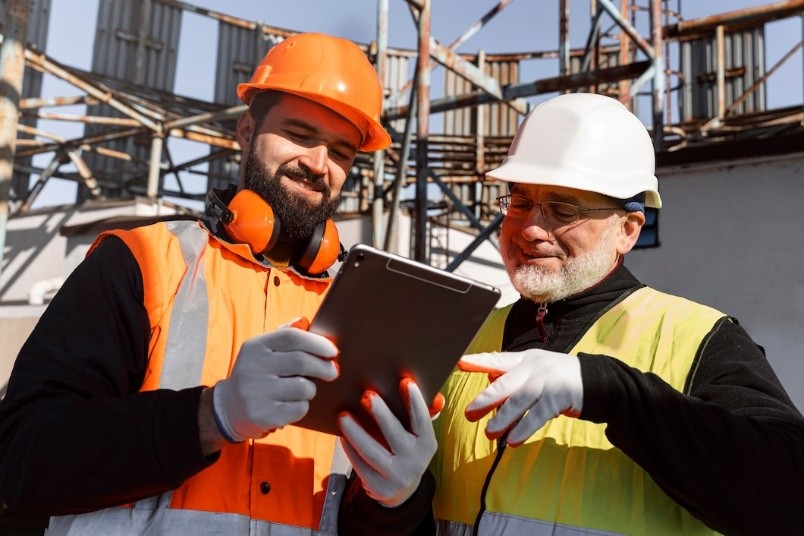
Safety training programs..
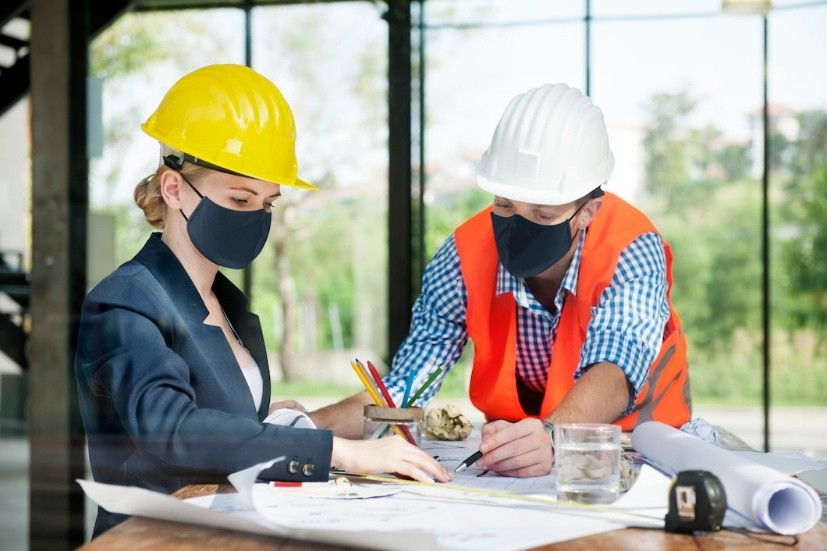
Online and in-person MSHA training..
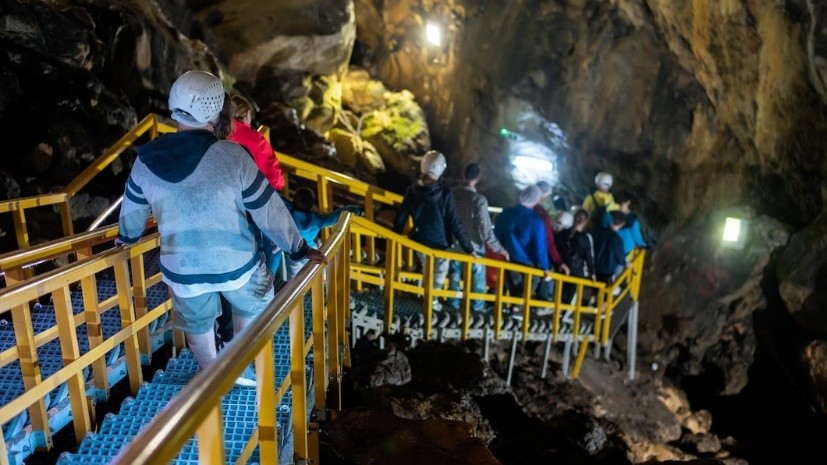
MSHA training ..
Industrial Consulting & Training LLC provides safety training programs aligned with MSHA standards for mining and industrial operations across the United States
HIGHLAND, UT, UNITED STATES, April 14, 2026 /EINPresswire.com/ -- Industrial safety training continues to evolve as mining and related industries seek practical ways to meet compliance requirements and strengthen workforce readiness. Industrial Consulting & Training LLC has expanded its MSHA training delivery model to include both online and in-person formats across multiple regions, including Houston, California, Utah, Colorado, Illinois, Nevada, and Alabama. The development reflects a broader industry shift toward flexible training structures that can support different operational needs while maintaining regulatory alignment.Mining operations and industrial job sites operate under strict safety guidelines set by the Mine Safety and Health Administration. These regulations require workers to complete specific training programs before entering active sites and to participate in ongoing refresher courses. As work environments vary widely by location, companies are increasingly looking for training options that can adapt to workforce size, job roles, and site conditions.
The availability of both online and in-person MSHA training formats provides organizations with more control over how safety education is delivered. In regions such as Houston and across California, where industrial activity remains steady, employers often coordinate training schedules that align with project timelines. Similarly, states like Utah and Colorado continue to support mining and extraction operations that require consistent workforce training.
Online MSHA training formats are being used to deliver foundational knowledge, including hazard recognition, safety regulations, and operational procedures. These sessions allow workers to participate in structured learning environments without the need for travel. At the same time, in-person training remains essential for hands-on instruction, particularly for tasks that involve equipment handling, site navigation, and emergency response preparation.
The combination of both formats supports a more comprehensive learning approach. Workers can first engage with theoretical material through guided online sessions and later apply that knowledge during in-person instruction. This blended structure allows training programs to address both knowledge retention and practical skill development.
Across Illinois and Nevada, where mining and industrial operations are supported by a diverse workforce, training providers have observed a growing need for adaptable programs. Companies operating in these regions often manage teams with varying levels of experience. New hires require introductory training, while experienced workers must complete refresher courses to remain compliant with MSHA standards.
In Alabama, industrial and mining activities also rely on structured safety training programs to maintain regulatory compliance. Training initiatives in this region often emphasize hazard identification, proper equipment use, and communication protocols. These elements are considered essential for reducing workplace incidents and maintaining operational continuity.
Training programs based on MSHA standards typically include topics such as ground control, ventilation, electrical safety, and emergency procedures. Workers are also introduced to site-specific hazards that may vary depending on the type of mining or industrial operation. By addressing both general and location-specific risks, training programs aim to provide a well-rounded understanding of workplace safety.
The role of instructors remains central to both online and in-person formats. Instructor-led sessions provide opportunities for workers to ask questions, discuss real-world scenarios, and clarify complex safety concepts. This interaction helps bridge the gap between regulatory requirements and practical application. Even in online settings, structured sessions guided by instructors allow for engagement and discussion rather than passive learning.
In-person training sessions, on the other hand, allow participants to engage directly with equipment and simulated work environments. These sessions often include demonstrations of proper lifting techniques, equipment inspections, and emergency response drills. Such activities help reinforce the importance of safety procedures and provide workers with the confidence to apply them in real situations.
Another factor contributing to the adoption of combined training formats is the need for consistent documentation and recordkeeping. MSHA regulations require employers to maintain accurate training records for each worker. Structured training programs, whether delivered online or in person, help ensure that documentation is properly maintained and easily accessible during inspections or audits.
In regions like Colorado and Utah, where environmental conditions can vary significantly, training programs may also address factors such as weather-related hazards and terrain challenges. Workers operating in these areas must be prepared to adapt to changing conditions while maintaining safety standards. Training sessions often incorporate these considerations to provide a more realistic understanding of job site risks.
California continues to see a range of industrial and construction activities that intersect with mining-related operations. Training programs in this region often reflect the need for cross-functional safety knowledge, as workers may be involved in multiple types of projects. The inclusion of both online and in-person training formats allows organizations to address these diverse requirements more effectively.
In Houston, where industrial operations span energy, construction, and material handling sectors, safety training plays a critical role in workforce development. Companies in this region often coordinate training schedules to ensure that workers are prepared before entering high-risk environments. The availability of flexible training options supports these efforts by reducing scheduling conflicts and improving access to required programs.
The integration of online and in-person MSHA training also reflects broader changes in workforce expectations. Workers increasingly seek training options that fit within their schedules while still providing meaningful learning experiences. By offering multiple delivery methods, training providers can accommodate these preferences without compromising the quality of instruction.
From an operational perspective, the combined approach allows companies to manage training logistics more efficiently. Online sessions can be scheduled for larger groups, while in-person sessions can focus on smaller teams requiring hands-on instruction. This balance helps organizations allocate resources effectively while ensuring that all workers receive the necessary training.
Safety training remains a critical component of risk management strategies in mining and industrial sectors. By ensuring that workers understand safety protocols and regulatory requirements, companies can reduce the likelihood of workplace incidents. Training programs also contribute to a culture of safety, where workers are encouraged to identify hazards and take proactive measures to prevent accidents.
The continued expansion of MSHA training programs across multiple states highlights the importance of accessibility and adaptability in workforce education. As industries evolve, training methods are expected to continue adapting to meet new challenges and operational demands. The use of combined training formats represents one step in this ongoing process.
Regulatory compliance remains a key driver behind the adoption of structured training programs. Employers must ensure that workers complete required training before performing specific tasks. Failure to meet these requirements can result in penalties and increased safety risks. By providing consistent and accessible training options, organizations can better align with regulatory expectations.
The emphasis on both online and in-person training formats also supports long-term workforce development. Workers who receive comprehensive training are more likely to perform tasks safely and efficiently. Over time, this contributes to improved productivity and reduced downtime caused by workplace incidents.
In addition to regulatory and operational benefits, training programs also play a role in improving communication on job sites. Workers who understand safety procedures and terminology are better equipped to coordinate with team members and respond to potential hazards. This level of coordination is particularly important in environments where multiple tasks are performed simultaneously.
As mining and industrial sectors continue to operate across diverse regions, the need for adaptable training solutions is expected to grow. The availability of both online and in-person MSHA training formats provides a framework that can be adjusted based on location, workforce size, and project requirements. This flexibility allows organizations to maintain consistent safety standards while addressing the unique challenges of each region.
About Industrial Consulting & Training LLC
Industrial Consulting & Training LLC provides safety training programs aligned with MSHA standards for mining and industrial operations across the United States. The organization offers structured training solutions through both online and in-person formats, supporting workforce development, regulatory compliance, and workplace safety initiatives in regions including Houston, California, Utah, Colorado, Illinois, Nevada, and Alabama.
Industrial Consulting & Training LLC
Industrial Consulting & Training LLC
+1 385-446-6577
info@mytrainingcerts.com
Visit us on social media:
Instagram
Facebook
Legal Disclaimer:
EIN Presswire provides this news content "as is" without warranty of any kind. We do not accept any responsibility or liability for the accuracy, content, images, videos, licenses, completeness, legality, or reliability of the information contained in this article. If you have any complaints or copyright issues related to this article, kindly contact the author above.
